
Article Summary:
-
Joint health is closely linked to inflammation, nutrition, and lifestyle.
-
Organic foods help reduce chemical stress and support tissue repair.
-
Healthy fats, minerals, and whole foods protect mobility over time.
Protecting movement for the long run
Healthy joints are the foundation of an active, comfortable life. Whether you’re training hard, staying active as you age, or simply wanting to move without stiffness, what you eat plays a major role in how your joints feel over time. Chronic inflammation, poor nutrition, and chemical exposure can quietly wear joints down. Organic eating offers a cleaner, more nourishing way to support joint strength, reduce wear and tear, and maintain long-term mobility.
Reducing inflammation to protect joint tissue
One of the biggest contributors to joint pain and stiffness is chronic inflammation. Processed foods, refined sugars, and pesticide residues can trigger inflammatory responses in the body. Organic whole foods help reduce this burden by eliminating unnecessary chemicals while delivering antioxidants that calm inflammatory pathways. Leafy greens, berries, turmeric, ginger, and healthy fats all work together to support smoother, more comfortable movement.
Healthy organic fats for joint lubrication and resilience
Joints rely on healthy fats to stay lubricated and flexible. Organic avocados, olive oil, nuts, seeds, and pasture-raised eggs provide omega-3 and monounsaturated fats that support cartilage health and reduce joint irritation. Omega-3-rich foods like flaxseed, chia seeds, walnuts, and grass-fed meats are especially helpful for reducing stiffness and promoting long-term joint comfort. Choosing organic ensures these fats come from clean, natural sources without industrial feed additives.
Calcium, magnesium, and minerals for bone and joint strength
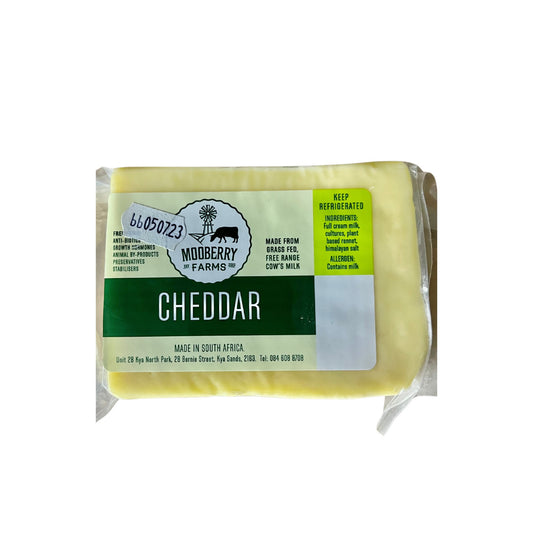
Strong joints need strong bones. Organic dairy, leafy greens, almonds, seeds, and legumes provide calcium, magnesium, phosphorus, and vitamin K—nutrients essential for bone density and joint stability. These minerals help maintain structural integrity, reduce the risk of degeneration, and support healthy movement as the years go on. Organic foods offer these nutrients without synthetic fertiliser residues that can interfere with mineral absorption.
Protein for cartilage repair and connective tissue
Cartilage, tendons, and ligaments rely on protein for maintenance and repair. Organic eggs, pasture-raised meats, legumes, yogurt, and bone broth provide the amino acids needed to support connective tissue strength. Collagen-rich foods and slow-simmered broths can also help support joint cushioning over time. Organic protein sources avoid antibiotics and hormones that can disrupt natural recovery processes in the body.
Gut health and joint health are deeply connected
Inflammation often begins in the gut, and an imbalanced microbiome can contribute to joint discomfort and autoimmune responses. Organic fermented foods like yogurt, kefir, sauerkraut, and kimchi support beneficial gut bacteria that help regulate immune activity and inflammatory responses. A healthier gut environment often means calmer joints and better overall resilience.
Feed your joints before they start hurting
Joint health isn’t something to think about only when pain appears—it’s something to protect proactively. Organic eating supports long-term joint function by reducing inflammation, strengthening bones, nourishing connective tissue, and keeping the body’s systems balanced. By choosing clean, whole, nutrient-rich foods, you’re investing in a future of easier movement, stronger mobility, and a better quality of life. At Orchard Food, we believe caring for your joints starts with caring about what’s on your plate.