
Article Summary
• A good spring meal plan starts with a variety of fresh seasonal produce and whole foods.
• Combining vegetables, protein, whole grains, healthy fats, and fruit can help create balanced meals.
• Planning ahead can make healthy eating easier while helping you shop efficiently and reduce food waste.
Give Your Weekly Meals a Fresh Start
Spring is a great time to rethink what is on your weekly menu. Warmer days often call for lighter meals, fresh salads, colourful vegetables, and simple dishes that do not require hours in the kitchen.
Meal planning can make this transition easier. Rather than deciding what to eat every day, you can choose a selection of ingredients at the beginning of the week and build several meals around them.
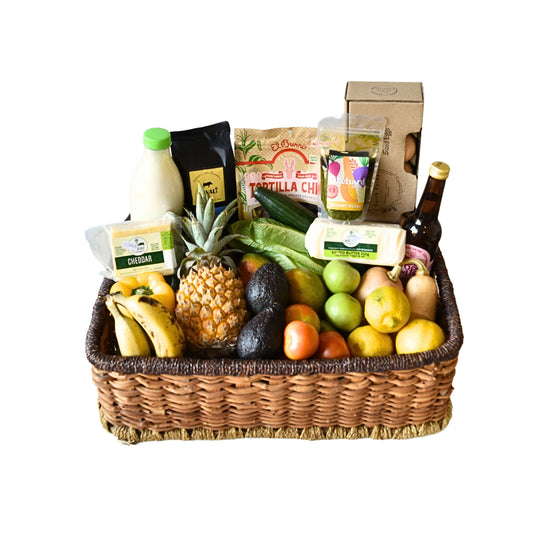
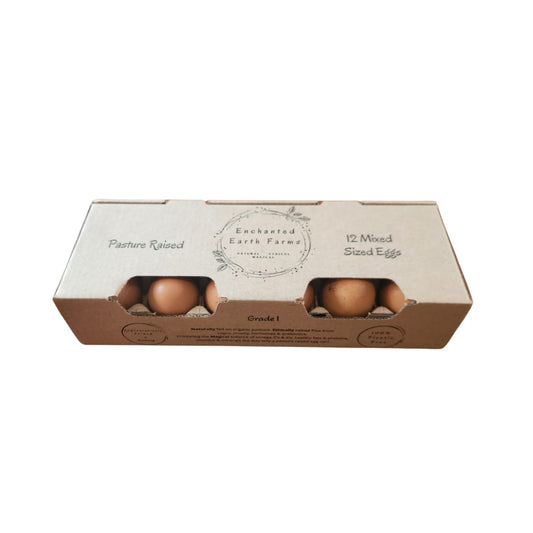
Using organic ingredients can also help you make more intentional choices about the food you bring into your kitchen. From fresh produce and eggs to dairy, pantry staples, and quality proteins, the goal is to create meals that are varied, practical, and enjoyable.
Start with Seasonal Organic Produce
The foundation of your spring meal plan should be plenty of fresh produce. Seasonal vegetables and fruit can add colour, flavour, fibre, vitamins, minerals, and a variety of naturally occurring plant compounds to your meals.
Start your shopping list with vegetables you know your household will eat. Leafy greens, carrots, broccoli, baby marrow, peas, tomatoes, cucumber, and other seasonal options can be used across several different meals.
Then add fresh fruit for breakfasts and snacks. Choosing several different varieties throughout the week can help keep your meals interesting and encourage greater variety in your diet.
Build Balanced Meals
Once you have your produce, think about what you can pair with it. A balanced meal can include a source of protein, a carbohydrate rich food, vegetables or fruit, and a source of healthy fat.
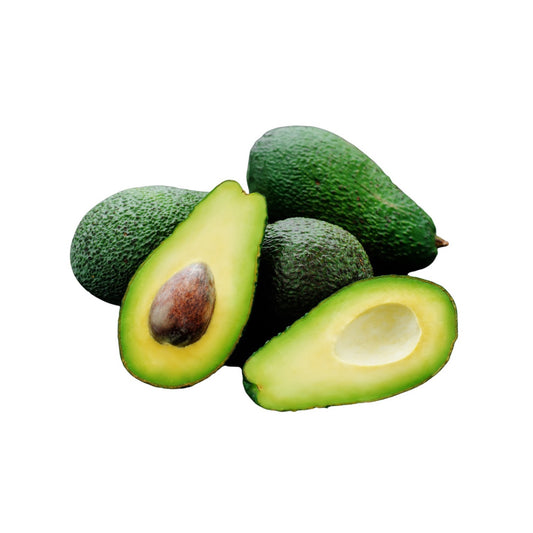
For example, grilled chicken can be served with roasted vegetables and brown rice. Chickpeas can be combined with leafy greens, avocado, and whole grains to create a filling lunch. Eggs can be paired with whole grain toast and fresh vegetables for a simple breakfast.
You do not need to calculate every nutrient in every meal. Instead, focus on variety and include different food groups throughout the day.
Plan Ingredients Instead of Complicated Recipes
One of the biggest advantages of meal planning is that you do not need a completely different recipe for every meal. Choose versatile ingredients that can be used in several ways.
A batch of roasted vegetables can become a side dish at dinner, a filling for wraps, or part of a lunch bowl. Fresh spinach can be added to eggs in the morning, mixed into a salad at lunch, and incorporated into a pasta dish at dinner.
Cook a larger quantity of a staple such as brown rice, quinoa, lentils, or beans and use it across several meals. This can save preparation time without making your meals repetitive.
Make Room for Simple Spring Meals
Not every meal needs to be a cooking project. Some of the best spring meals can be assembled in minutes.
A fresh salad with organic greens, boiled eggs, avocado, cucumber, carrots, and seeds can make an easy lunch. Plain yoghurt with fresh fruit, oats, and nuts can provide a quick breakfast. A vegetable omelette can turn leftover produce into a satisfying meal.
Keep simple ingredients available for busy days so that you have options when you do not have the time or energy to prepare something elaborate.
Shop with a Plan
A meal plan is only useful if it works with your shopping habits. Before heading to the shop, check what you already have in your fridge, freezer, and pantry. Then make a list based on the meals you intend to prepare.
Think about how much fresh produce you are realistically going to use during the week. Buying more than you can eat can lead to unnecessary waste, particularly with delicate leafy greens and fresh fruit.
Organic produce can be part of a thoughtful shopping approach, but organic does not automatically mean nutritionally superior. Focus on buying a variety of foods that fit your budget, preferences, and lifestyle.
Make Spring Eating Easier
A healthy meal plan should make your week easier rather than create more work. Start with fresh seasonal produce, add a range of protein sources and whole foods, and choose ingredients that can be used across multiple meals.
Preparation does not have to happen all at once. Washing greens, chopping vegetables, cooking a grain, or preparing a homemade dressing can make assembling meals much quicker later in the week.
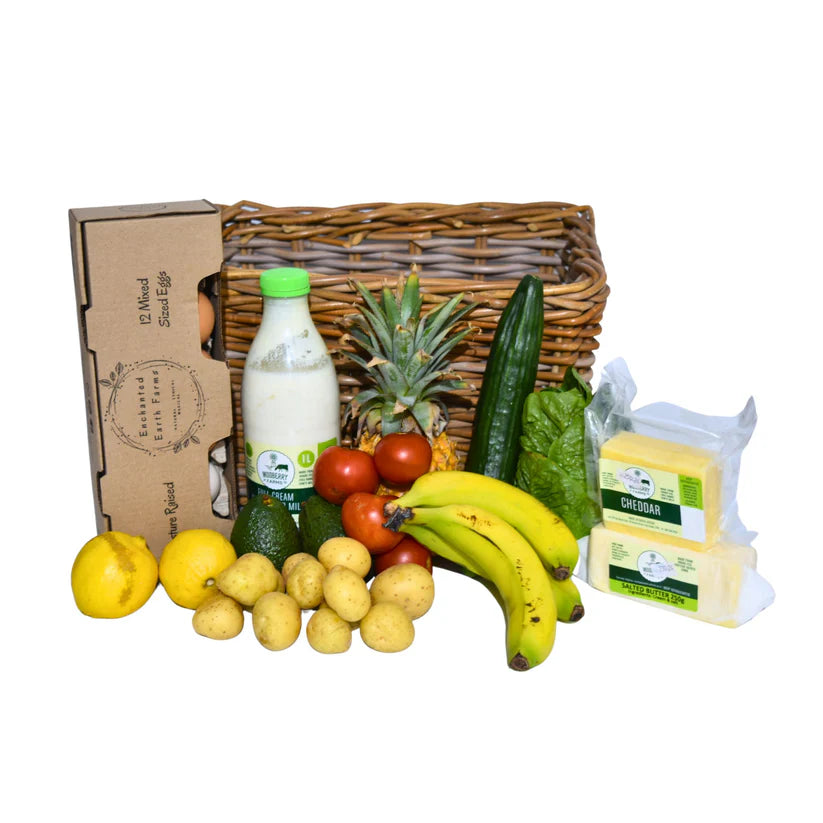
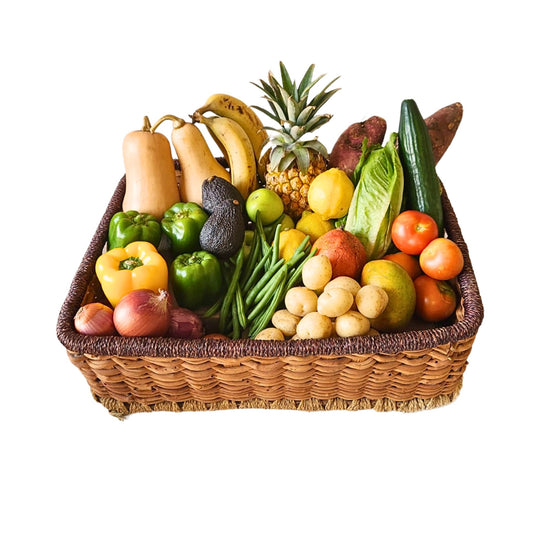
At Orchard Food, we believe fresh organic food should fit naturally into everyday life. With a little planning and a basket filled with ingredients you genuinely enjoy, spring can be the perfect time to make wholesome, varied meals part of your weekly routine.