
Article Summary:
-
Pre-workout meals should provide steady energy without heaviness.
-
Post-workout meals focus on protein, recovery, and replenishment.
-
Organic ingredients support cleaner performance and faster recovery.
Train hard, fuel smart
What you eat before and after a workout can make the difference between progress and plateau. Energy, endurance, strength, and recovery all depend on how you fuel your body. Pre-workout meals should provide steady, digestible energy. Post-workout meals should repair, replenish, and restore. When those meals are built from organic ingredients, you’re not just feeding performance—you’re reducing inflammatory stress and supporting long-term resilience.
What to eat before a workout
The goal before training is simple: provide fuel without slowing digestion. You want carbohydrates for energy, a little protein for muscle support, and minimal heavy fats that could cause discomfort.
An ideal option is a bowl of organic oats topped with banana, chia seeds, and a drizzle of raw honey. The oats provide slow-releasing carbohydrates, the banana adds quick energy and potassium, and the chia seeds offer omega-3 fats for sustained output.
If you prefer something lighter, a smoothie made with organic berries, spinach, almond butter, and oat milk works beautifully. It’s easy to digest and delivers antioxidants alongside natural sugars.
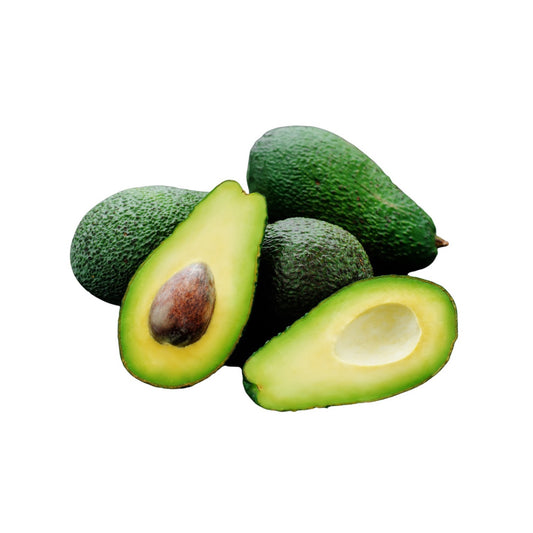
For strength sessions, a slice of organic wholegrain toast with avocado and a pasture-raised egg offers a balanced combination of carbohydrates, healthy fats, and protein to sustain performance.
Timing matters
Eat your main pre-workout meal about 60–90 minutes before exercise. If you’re short on time, opt for a small snack 30 minutes prior—like a banana with almond butter or a handful of organic dates.
The key is listening to your body. Too much food can feel heavy. Too little can leave you fatigued. Organic whole foods digest more steadily, helping you avoid energy spikes and crashes.
What to eat after a workout: repair and replenish
After training, your muscles are primed to absorb nutrients. This is when protein and carbohydrates matter most. Carbohydrates replenish glycogen stores, while protein supports muscle repair.
A simple and powerful post-workout meal is grilled organic chicken or lentils paired with roasted sweet potatoes and leafy greens. This combination restores energy and delivers anti-inflammatory nutrients.
Another excellent option is organic Greek yogurt with berries, flaxseed, and a spoonful of nut butter. The probiotics support gut health, the protein aids muscle repair, and the antioxidants help calm inflammation.
For endurance athletes, a quinoa bowl with roasted vegetables, chickpeas, olive oil, and fresh herbs offers a balanced mix of carbohydrates, protein, and healthy fats.
Hydration and recovery support
Hydration is just as important as food. After training, replenish fluids with water, organic coconut water, or citrus-infused water. Adding a pinch of sea salt and lemon can naturally restore electrolytes.
Including anti-inflammatory foods like turmeric, ginger, berries, and leafy greens in your recovery meals can also reduce muscle soreness and speed adaptation.
Keep it simple and consistent
You don’t need complicated supplements or artificial performance drinks to fuel your workouts. Consistency with real, organic food will always outperform quick fixes. Focus on whole grains, fruits, vegetables, quality proteins, and healthy fats. Prepare ahead when you can. Keep your pantry stocked with organic staples so you’re never caught without good options.
Build strength from the inside out
Performance isn’t just built in the gym—it’s built in your kitchen. Pre-workout meals provide the energy to push harder. Post-workout meals ensure you come back stronger. When those meals are made from organic, nutrient-dense ingredients, you give your body cleaner fuel, better recovery, and long-term resilience. At Orchard Food, we believe strength starts with what’s real—pure ingredients, intentional choices, and food that works as hard as you do.