
Article Summary:
- Many everyday foods contain hidden chemicals and additives.
- Long-term exposure can impact health and wellbeing.
- Choosing organic helps reduce your overall chemical intake.
It’s not always what it looks like
Most people assume that if something looks fresh or comes in neat packaging, it must be safe. But the reality is more complex. Many everyday foods some that seem healthy on the surface contain hidden chemicals that aren’t always obvious at first glance. From pesticide residues on produce to preservatives in packaged foods, these substances can quietly accumulate in your diet. Once you start paying attention, it becomes clear just how important it is to choose food more carefully.
Pesticide residues on fruits and vegetables
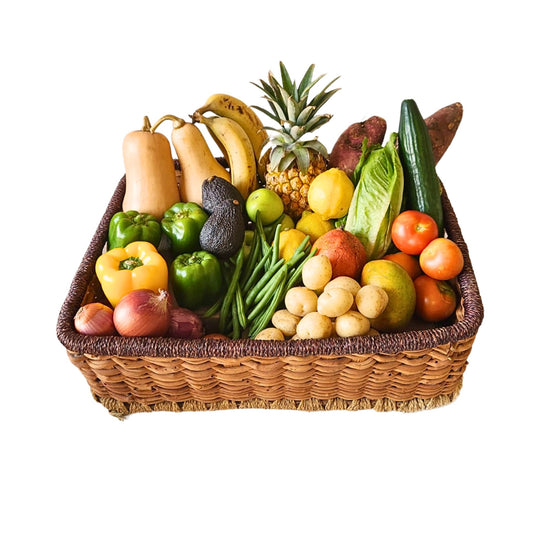
Fruits and vegetables are essential for a healthy diet, but not all produce is created equally. Conventionally grown crops are often treated with synthetic pesticides and herbicides to protect yields. Even after washing, traces of these chemicals can remain on the surface or be absorbed into the food itself. Items like leafy greens, berries, apples, and tomatoes are particularly susceptible. Choosing organic produce significantly reduces this exposure and ensures you’re getting the full nutritional benefit without the added chemical burden.
Preservatives and additives in packaged foods
Many packaged foods are designed for long shelf life, not necessarily for health. To achieve this, manufacturers often include preservatives, stabilisers, artificial colourants, and flavour enhancers. These ingredients can interfere with digestion, contribute to inflammation, and in some cases trigger sensitivities. Even foods marketed as “healthy” or “low-fat” can contain a surprising number of additives. Reading labels helps, but choosing organic and minimally processed foods is often the simplest way to avoid them altogether.
Hidden sugars and artificial flavourings
Sugar doesn’t always appear as “sugar” on an ingredient list. It can be labelled as glucose syrup, fructose, maltose, or a range of other names. These added sugars are often combined with artificial flavourings to enhance taste and encourage repeat consumption. Over time, this can disrupt energy levels, contribute to cravings, and affect metabolic health. Organic foods, particularly whole foods, tend to avoid these hidden additions, allowing you to enjoy natural flavours without unnecessary extras.
Chemicals in animal products
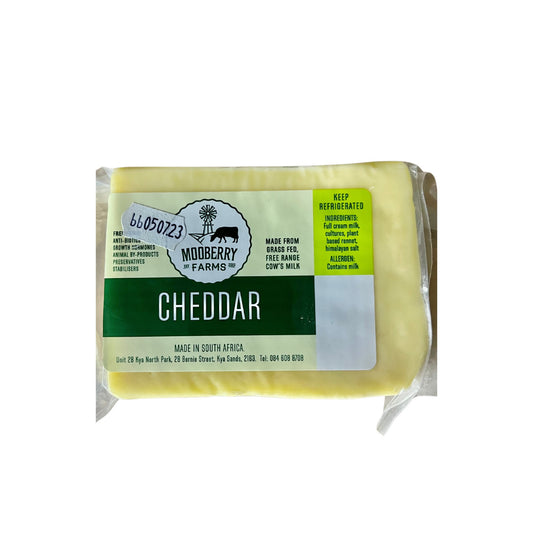
Conventional meat, dairy, and eggs can also be sources of hidden chemicals. Animals may be exposed to antibiotics, growth stimulants, and chemically treated feed, all of which can find their way into the final product. While regulations exist, the cumulative effect of these substances over time is a growing concern for many consumers. Organic animal products are produced without routine antibiotics or synthetic inputs, offering a cleaner and more natural alternative.
The cumulative effect of everyday exposure
One of the biggest challenges with hidden chemicals is that their impact is rarely immediate. Instead, exposure happens gradually, through small amounts consumed daily over months and years. This cumulative effect can place stress on the body’s natural detox systems, potentially affecting digestion, energy levels, and overall wellbeing. Reducing exposure wherever possible, especially through food is a practical and effective step toward better long-term health.
Awareness leads to better choices
Once you understand where hidden chemicals exist, your food choices start to change. You begin to prioritise freshness, simplicity, and transparency. Organic food offers a clear path forward fewer additives, fewer residues, and more of what your body actually needs. At Orchard Food, we believe that knowing what’s in your food shouldn’t be complicated. It should be honest, straightforward, and rooted in quality you can trust.