
Article Summary
• Different plant foods provide different types of fibre and nutrients that contribute to a healthy digestive system.
• Eating a diverse range of fruits, vegetables, legumes, whole grains, nuts, and seeds can help support a varied gut microbiome.
• Small changes to your daily meals can make it easier to introduce more plant diversity into your diet.
Give Your Gut More Variety
Have you ever found yourself buying the same vegetables, fruits, and pantry staples every week? Familiar ingredients make meal planning easier, but introducing more variety could be a useful step towards supporting your digestive health.
Your gut is home to trillions of microorganisms, including bacteria that help break down certain food components and contribute to normal digestive function. Together, these microorganisms form what is known as the gut microbiome.
The foods you eat can influence the environment in which these microorganisms live. Plant foods are particularly valuable because they provide dietary fibre and a range of naturally occurring compounds that different gut microbes can use.
Rather than focusing on one so called superfood, a varied diet can help you provide your gut with a broader selection of nutrients.
Understand the Connection Between Fibre and Gut Health
Dietary fibre is an important part of a healthy eating pattern, but not all fibre behaves in the same way. Some types help add bulk to stools, while others can be fermented by gut bacteria in the large intestine.
During fermentation, certain gut bacteria produce short chain fatty acids. These compounds play a role in maintaining the health of the intestinal environment and are an important area of research into the relationship between diet and gut health.
Different plant foods provide different combinations of fibre. Oats, beans, lentils, carrots, apples, leafy greens, and whole grains all contribute in different ways.
Including a mixture of these foods in your diet is a practical way to increase your fibre intake and support normal bowel function. If you currently eat very little fibre, increase your intake gradually and drink enough water to help your digestive system adjust.
Feed Beneficial Gut Bacteria with Diverse Plant Foods
Many gut microorganisms use carbohydrates that the human body cannot fully digest, including certain fibres found in plant foods. Providing a variety of these food sources can help support a diverse microbial community.
Legumes such as chickpeas, beans, and lentils are useful additions because they provide fibre and plant based protein. Whole grains, nuts, seeds, vegetables, and fruits contribute further types of fibre and plant compounds.
For example, you could add oats and berries to breakfast, enjoy lentils in a lunchtime salad, and serve a mixture of vegetables with dinner. Each meal introduces different plant ingredients without requiring a complicated diet.
Fermented foods such as plain yoghurt and some fermented vegetables can also be included if you enjoy them. They are different from dietary fibre sources, however, and their effects depend on the food and how it is produced.
Eat the Rainbow for a Wider Range of Nutrients
Colourful plant foods are a simple way to introduce more variety into your meals. The natural pigments in fruits and vegetables are often associated with different plant compounds, while the foods themselves provide varying combinations of vitamins, minerals, and fibre.
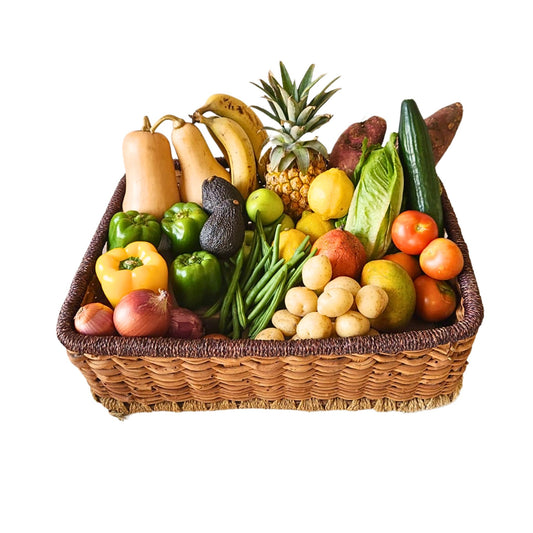
Red tomatoes, orange carrots, dark green spinach, purple cabbage, and blue berries can all contribute something different to your diet. Eating a variety of colours is not a guarantee of a particular gut health outcome, but it is an easy way to move beyond eating the same few vegetables every day.
Try adding one new vegetable or fruit to your shopping basket each week. You might experiment with beetroot in a salad, chickpeas in a grain bowl, or cabbage in a homemade slaw.
These small additions can gradually expand the range of plant foods you eat without requiring a complete change to your usual meals.
Make Plant Diversity Part of Everyday Meals
Eating a wider variety of plant foods does not have to mean preparing separate dishes or buying expensive ingredients. Many everyday meals can be adapted with a few simple additions.
Stir lentils or beans into soups and stews, add seeds to oats or yoghurt, and include several vegetables in a pasta sauce. Choose whole grain bread or brown rice when they suit your meals, and rotate the fruits you eat throughout the week.
You can also make use of frozen vegetables and fruit. These can be convenient, affordable options that help you maintain variety when fresh produce is unavailable or difficult to use before it spoils.
Planning meals around ingredients that appear in several dishes can help reduce food waste while making it easier to include different plant foods throughout the week.
Build a Gut Friendly Diet That Works for You
A healthy gut is supported by more than a single food or dietary trend. Eating a variety of fibre rich plant foods, staying hydrated, and maintaining balanced eating habits can all contribute to digestive wellbeing.
There is no universal number of plant foods that guarantees a healthy microbiome. Your needs may also differ depending on your digestive health and tolerance of particular ingredients. If certain high fibre foods cause discomfort, introduce them gradually and seek professional advice if symptoms persist.
At Orchard Food, we believe that fresh, varied ingredients can make healthy eating both enjoyable and practical. From seasonal organic vegetables and fruit to whole food pantry staples, choosing a wider range of plant foods can help you bring more variety to your plate and support your gut health over time.